

Installing a compressed air system is one of the most important investments a business can make. Whether you operate a workshop, manufacturing facility, or large-scale industrial plant, a well-designed air compressor installation directly impacts productivity, energy efficiency, and long-term reliability.
In this guide, we break down everything you need to know about air compressor installation, from initial planning through to system design, pipework, air treatment, and ongoing performance. If you are considering a new system or upgrading an existing one, this guide will help you make informed decisions and avoid costly mistakes.
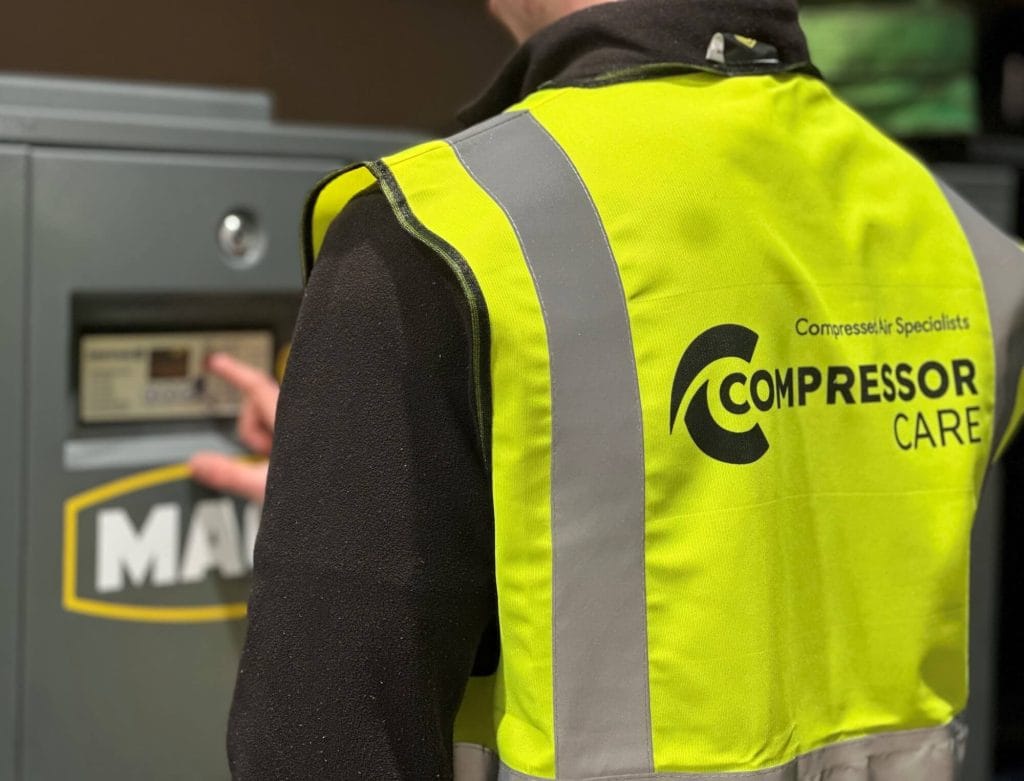
Why Proper Air Compressor Installation Matters
Compressed air is often referred to as the fourth utility, alongside electricity, gas, and water. Unlike those utilities, however, compressed air systems are designed and installed on-site, which means the quality of installation has a direct impact on how well the system performs.
A poorly installed system can lead to unnecessary energy consumption, inconsistent pressure, and increased wear on components. Over time, this results in higher running costs and more frequent breakdowns. In contrast, a properly installed system delivers stable performance, reduced downtime, and a much longer lifespan for your equipment. For most businesses, the difference between a good and bad installation can be felt almost immediately in both performance and costs.
Understanding Your Business Requirements
Before any equipment is selected, it is essential to understand how compressed air is used within your business. Every system should be tailored to its application, and no two installations are exactly the same.
You need to consider how many tools or machines rely on compressed air, what pressure and flow rate are required, and whether demand is consistent or varies throughout the day. Some operations experience steady demand, while others have peaks and quiet periods, which can influence the type of compressor you choose.
Air quality is another critical factor. A standard workshop may only require basic drying and filtration, whereas industries such as food production, pharmaceuticals, or healthcare require extremely clean, oil-free air. Taking the time to assess these requirements properly ensures the system is designed correctly from the outset.
Choosing the Right Air Compressor
Selecting the right compressor is a key part of any installation. The type of compressor you choose should align with how your business operates.
Rotary screw compressors are widely used in industrial settings because they provide a continuous and reliable air supply. They are ideal for businesses that rely heavily on compressed air throughout the day. Piston compressors, on the other hand, are more suited to smaller or intermittent applications such as workshops and garages.
In environments where air purity is critical, oil-free compressors are essential. These systems eliminate the risk of contamination and are commonly used in medical, food, and laboratory settings.
It is also important to consider whether a fixed speed or variable speed compressor is the better option. Variable speed compressors adjust their output based on demand, which can significantly improve energy efficiency in systems where usage fluctuates.
System Design and Layout
The design and layout of your compressed air system are just as important as the equipment itself. Even the best compressor will underperform if the system is poorly designed.
Positioning of equipment should allow for easy access during servicing while also considering airflow and cooling requirements. Pipe routes should be planned to minimise distance and avoid unnecessary bends, both of which can cause pressure drops.
Future expansion should also be considered at this stage. Many businesses grow, and a system that can be easily expanded will save time and cost in the long run. A well-thought-out layout ensures your system remains efficient not just now, but in the future as well.
The Importance of Pipework
Pipework plays a major role in the overall efficiency of a compressed air system, yet it is often underestimated. Poorly designed pipework can restrict airflow, increase pressure loss, and drive up energy costs.
Choosing the right material is important. Aluminium pipework is lightweight, corrosion-resistant, and easy to install, making it a popular choice for modern systems. Galvanised steel is often used in heavy-duty environments, while stainless steel is ideal where hygiene and air purity are critical.
Correct pipe sizing is equally important. Pipes that are too small restrict airflow, while oversized systems can be unnecessarily expensive. A balanced design ensures efficient air distribution throughout the system.
Air Treatment and Drying
Compressed air naturally contains moisture, oil, and contaminants, all of which need to be removed before the air reaches your equipment or processes.
For general applications, refrigerant dryers are commonly used to reduce moisture levels and achieve a dew point of around +3°C. This is sufficient for most workshops and industrial environments.
In more demanding applications, desiccant dryers are required. These systems can achieve much lower dew points, protecting sensitive equipment and ensuring compliance with strict industry standards.
Filtration also plays a vital role. Multi-stage filtration systems remove particles, oil vapour, and odours, helping to achieve the required air quality for your specific application. The combination of drying and filtration ensures your compressed air is clean, dry, and safe to use.
Ventilation and Environmental Considerations
Compressors generate heat during operation, so the environment in which they are installed must be carefully considered. Without proper ventilation, equipment can overheat, leading to reduced efficiency and potential damage.
A well-designed installation will include adequate airflow and, in some cases, ducting to remove hot air from the plant room. Ambient temperature and seasonal changes should also be taken into account, as these can affect system performance.
External factors such as dust, humidity, and general working conditions should not be overlooked. Protecting your equipment from harsh environments will help maintain reliability and extend its lifespan.
Condensate Management
Condensate is a by-product of compressed air systems and must be managed correctly to avoid problems. If left untreated, it can cause corrosion within the system and may also pose environmental risks.
An effective installation will include automatic drains to remove condensate, along with separation systems to ensure any oil content is dealt with correctly before disposal. This not only protects your equipment but also ensures compliance with environmental regulations.
Leak Detection and Efficiency
Air leaks are one of the most common and costly issues in compressed air systems. Even small leaks can result in significant energy losses over time.
Leaks often occur at joints, fittings, and points of use, particularly in areas with frequent movement. Identifying and repairing leaks should form part of any maintenance strategy, but a well-installed system will minimise the risk from the outset.
Improving efficiency is not just about equipment selection; it is about ensuring the entire system works together effectively.
Ongoing Maintenance and Support
Once your system is installed, ongoing maintenance is essential to keep it running at peak performance. Regular servicing helps prevent breakdowns, reduces energy consumption, and extends the life of your equipment.
A proactive approach to maintenance allows potential issues to be identified early, avoiding costly repairs and unplanned downtime. With the right support in place, your compressed air system will continue to perform reliably for years to come.
A Smarter Approach to Installation
Air compressor installation is not just about installing equipment; it is about creating a complete system that works efficiently, reliably, and safely. Every element, from compressor selection to pipework and air treatment, plays a role in overall performance.
By taking a considered and professional approach, businesses can reduce costs, improve productivity, and ensure their compressed air system supports long-term growth.
Speak to Compressor Care NW Ltd Today
If you are planning a new air compressor installation or upgrading an existing system, Compressor Care NW Ltd is here to help. We provide complete solutions, from design and installation through to servicing and ongoing support.
Contact us today to arrange a consultation or request a quote. Our team is ready to deliver a system tailored to your business, ensuring performance, efficiency, and reliability. Call us on 01745 336527 or email [email protected] to get started.