

When businesses invest in a compressed air system, much of the focus naturally falls on the compressor itself. However, the performance of any compressed air installation depends just as much on the pipework network that distributes air throughout the facility. Even the most efficient compressor can struggle to deliver optimal performance if the compressed air pipework system has been poorly designed or constructed using unsuitable materials.
The correct compressed air pipework helps maintain stable pressure, reduce energy consumption, improve airflow, and support future expansion. In contrast, undersized or poorly installed pipework can create pressure drops, increase running costs, and place unnecessary strain on equipment. For this reason, selecting the right compressed air piping system is one of the most important decisions when designing a new installation or upgrading an existing network.
In this guide, we look at the most common types of compressed air pipework, their advantages, and how to determine which solution is best suited to your business.
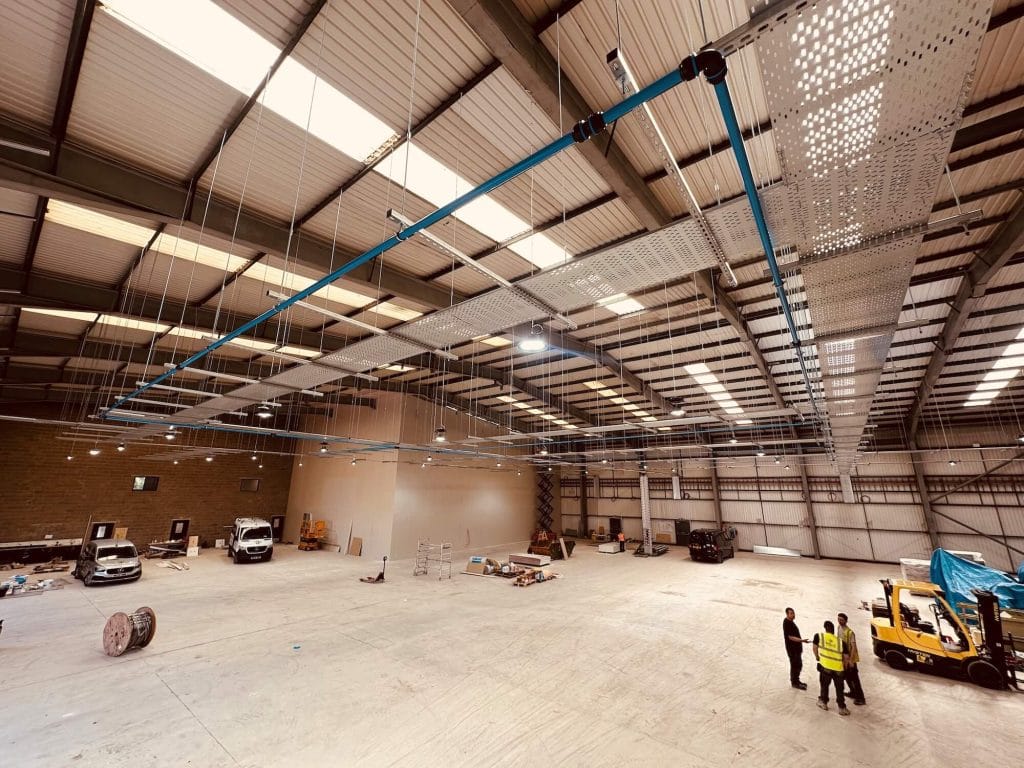
Why Pipework Matters in a Compressed Air System
The purpose of compressed air pipework is simple: transport compressed air from the compressor to the point of use as efficiently as possible. While that may sound straightforward, the design and material selection of the pipework system can have a significant impact on overall performance.
Every metre of compressed air pipe, every bend, and every connection creates some level of resistance within the system. If the pipework is undersized or incorrectly routed, pressure losses can quickly build up. This means the compressor has to work harder to maintain pressure, increasing energy consumption and operating costs.
A well-designed compressed air pipework system minimises these losses while ensuring every workstation, machine, and production area receives the airflow and pressure required. It also allows for easier maintenance and future expansion, helping businesses maximise the return on their investment.
Understanding the Main Types of Compressed Air Pipework
Modern compressed air systems typically utilise one of three primary pipework materials: galvanised steel, stainless steel, or aluminium. Each offers unique advantages depending on the environment and application.
Choosing the correct material requires consideration of air quality requirements, operating conditions, budget, and future growth plans.
Galvanised Pipework Systems
Galvanised steel remains a popular option for many industrial applications. Known for its strength and durability, galvanised air pipework is particularly well suited to demanding environments where robustness is a key requirement.
The protective zinc coating helps resist corrosion and extends the lifespan of the system. This makes galvanised pipework a common choice in industries such as manufacturing, waste management, engineering, and concrete production.
One of the main advantages of galvanised compressed air pipework is its ability to withstand harsh operating conditions. It offers excellent mechanical strength and can provide decades of reliable service when properly installed and maintained.
However, galvanised systems can be heavier and more labour-intensive to install than modern alternatives. For some businesses, this may influence the overall installation costs and project timescales.
Stainless Steel Pipework Systems
For industries where cleanliness and air quality are essential, stainless steel pipework is often the preferred solution. Unlike traditional steel systems, stainless steel offers exceptional resistance to corrosion while maintaining a smooth internal surface that helps preserve air quality.
This makes stainless steel compressed air piping particularly suitable for industries such as pharmaceutical manufacturing, food production, healthcare, dental practices, and electronics manufacturing.
The smooth internal bore reduces friction and helps maintain efficient airflow throughout the system. Because there is no risk of corrosion contaminating the compressed air supply, stainless steel systems are often selected where strict air quality standards must be maintained.
Although stainless steel pipework typically involves a higher initial investment, many businesses consider the long-term benefits worthwhile when air purity and reliability are critical.
Aluminium Pipework Systems
Aluminium compressed air pipework systems have become increasingly popular in recent years and are now widely regarded as one of the most versatile options available.
One of the biggest advantages of aluminium is its lightweight construction. This makes installation significantly faster and easier compared to traditional steel systems. Aluminium is also naturally resistant to corrosion, helping maintain a clean internal surface throughout its service life.
Modern aluminium air pipework systems are designed with flexibility in mind. Additional outlets, machinery connections, and future expansions can often be added quickly and easily, making them ideal for growing businesses.
The smooth internal surface helps reduce pressure losses, allowing compressed air to travel efficiently throughout the network. Combined with its ease of installation and long-term reliability, aluminium has become the preferred choice for many modern compressed air installations.
Factors to Consider When Choosing Pipework
There is no universal solution when selecting compressed air pipework systems. The most suitable option depends on the specific requirements of the application.
One of the first considerations should be air quality. Industries such as food production, healthcare, and pharmaceuticals often require higher standards of compressed air purity, making stainless steel a strong option.
The operating environment is equally important. Facilities exposed to heavy industrial conditions may benefit from the strength of galvanised pipework, while businesses seeking flexibility and easy expansion may prefer aluminium systems.
Future growth plans should also be considered. Installing a system that can be expanded easily helps avoid costly modifications later and ensures the compressed air network can support increased production demands.
Budget is naturally another factor, although it is important to look beyond initial installation costs. A pipework system that delivers improved efficiency, lower maintenance requirements, and a longer lifespan often provides greater value over time.
The Importance of Correct Pipe Sizing
Regardless of the material selected, pipe sizing remains one of the most important aspects of compressed air system design.
Undersized compressed air pipework can restrict airflow and create significant pressure drops throughout the network. This forces compressors to work harder, increasing electricity consumption and operating costs.
Oversized pipework can also create unnecessary expense during installation. The objective is to achieve the correct balance based on airflow demand, pressure requirements, and future capacity.
Professional pipe sizing calculations ensure that compressed air can be delivered efficiently to every point of use while minimising energy losses.
Designing for Future Expansion
Many businesses focus solely on their current compressed air requirements. However, production facilities often evolve over time, with new machinery, workstations, and processes requiring additional compressed air capacity.
A well-designed compressed air pipework system should allow for future expansion without requiring a complete redesign. Strategic placement of additional connection points and careful consideration of future airflow requirements can help businesses avoid costly disruption later.
Planning ahead during the initial design stage is often one of the most cost-effective decisions a business can make.
Working with Experienced Pipework Specialists
Selecting the right compressed air pipework is only part of the process. The quality of installation and system design can have just as much impact on long-term performance.
Experienced compressed air specialists understand how airflow, pressure, pipe sizing, material selection, and layout all work together to create an efficient system. By taking a complete system approach, they can ensure the installation delivers reliable performance while minimising energy consumption and maintenance requirements.
A professionally designed and installed pipework system helps businesses maximise productivity, improve efficiency, and protect their investment for years to come.
Speak to Compressor Care NW Ltd Today
If you are planning a new compressed air installation or upgrading an existing system, Compressor Care NW Ltd can help.
Our experienced team designs, supplies, and installs complete compressed air pipework systems tailored to the specific requirements of your business. Whether you require galvanised, stainless steel, or aluminium air pipework, we can deliver a solution designed for maximum efficiency, reliability, and long-term performance.
Email: [email protected]
Telephone: +44 (0)1745 336527